 Paul Hostetter, luthier bowed instruments plectrum and other instruments professional background art plastic! The
rest of
the site
Email:
click
here
|
Here's something to read while
you
wait for
the pictures to load...
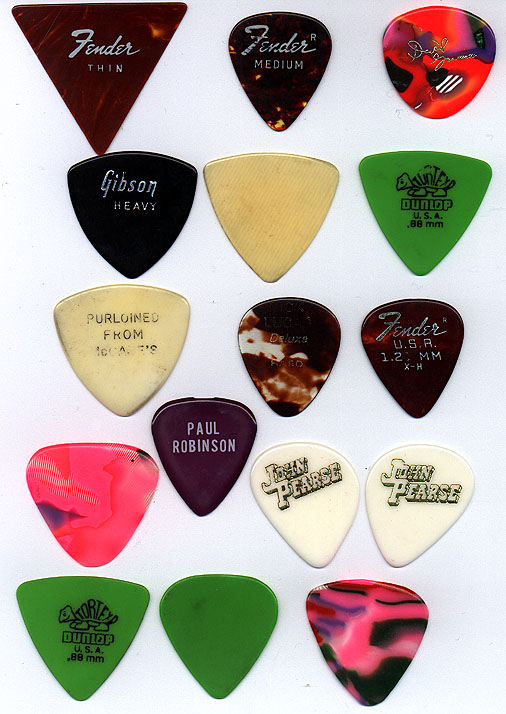
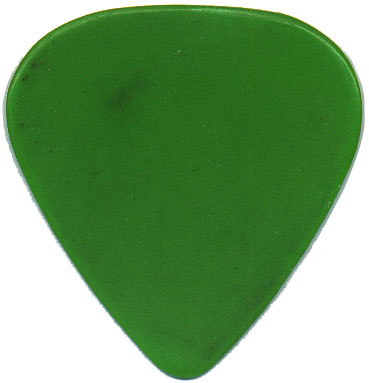
I like picks. Plectrums: flatpicks, mediators, straight picks, fingerpicks, whatever you call them. They're all tools, and like any other tool, I revel in their individuality, and that every player has different ideas of what works. It means everyone is different, and I find that reassuring. So I have made a page or two on just flatpicks, with the eventual idea in mind that you can make them yourself. I've tried lots of different kinds of picks, including commercial ones, extinct ones, ethnic items, and so forth. I usually make my own picks for guitar, although for mandolin, I find a good old Fender medium hard to beat. For guitar I like something a little bigger and harder, and a little different than what's on the market. For laouto (it's Greek to you) I use a risha, which is a little bit like a collar stay. Here's how a couple of picks came to be, and a few ideas of how to make a pick that works, or how to adapt commercially available ones to make them work better. Here are some regular picks:
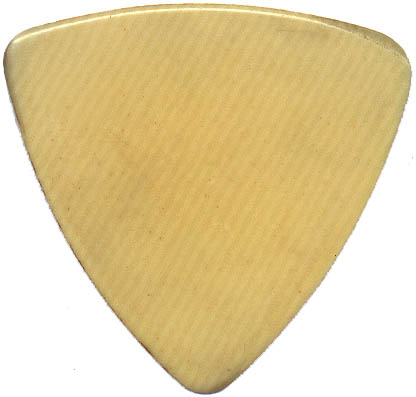
Some of the good picks are merely adaptations of older (or other) ones. _______________________________________ Here is a classic pick, from the pioneers of commercial pick manufacturing, D'Andrea.
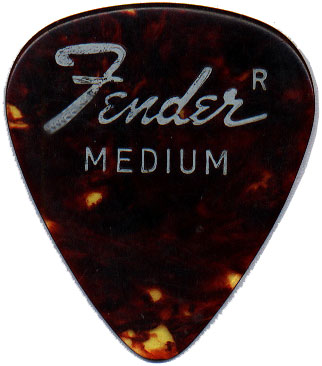
It's a nice ivoroid item, referred to in company literature as shape #346. It's a big triangle. D'Andrea also manufactured a smaller pick, the #351, their flagship design:
It's also known now as the classic Fender pick. Thin,
medium,
thick
and extra.
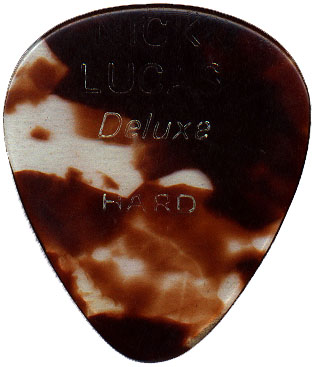
Can't read it anymore, but it once said: Note that the Deluxe was the #348 shape, and the "Standard" is the #351 shape: 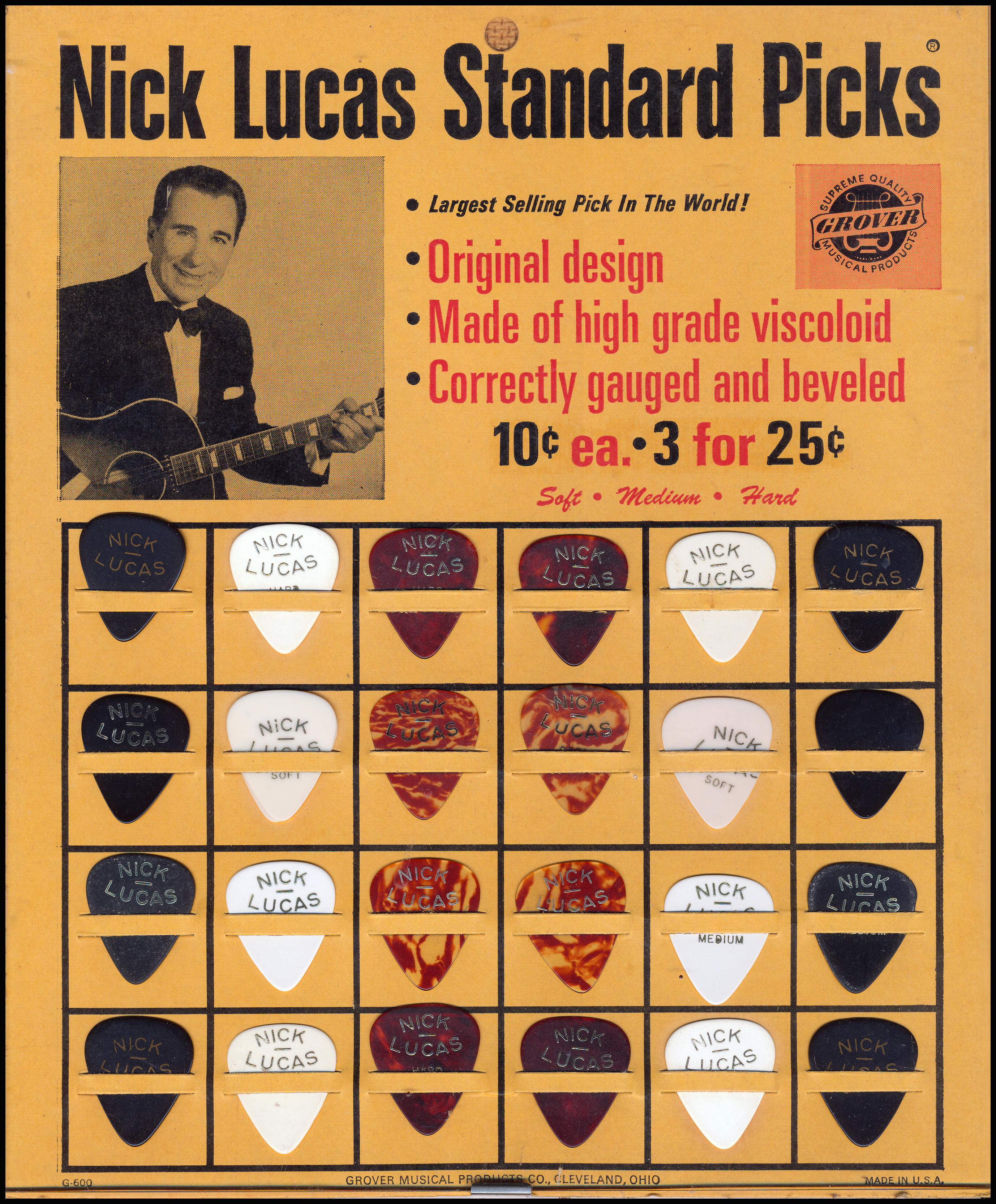
A lot of people use these picks, and a lot of people
have
learned you
get a real different tone depending on which corner you
play with. Many
folks prefer the tone you get from the two upper,
rounder corners.
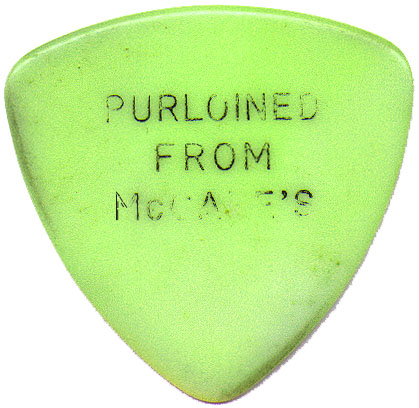
Here's a Herco company equivalent to the D'Andrea #346:
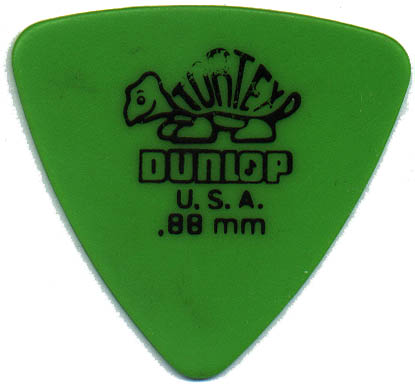
McCabe's is a real nice music store in Santa Monica, BTW. Compare these three big picks: Each is a little different. The old Hercos are the
same as
Gibson, the
D'Andrea is the same as Fender, because that's who
made them on
contract.
The green Dunlop Tortex pick is obviously modeled on
the D'Andrea pick,
but made in Delrin instead of celluloid. Slightly
different shape
too. I like the thickness of feel of this big green pick,
it's
very
...what I did here was reshape two of the three
points to be
something
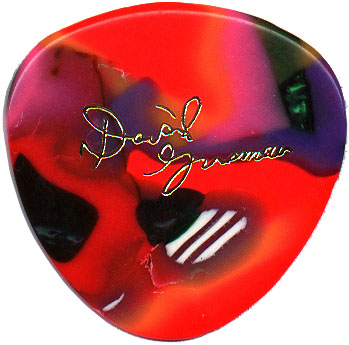
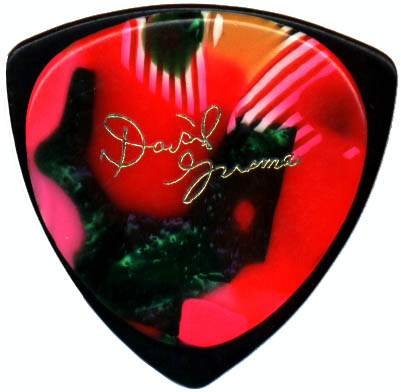
like Don't you hate it when your pick falls inside your guitar? _______________________________________ David Grisman did more or less this same thing years ago, and actually got someone (Saga, at first) to market them for awhile under his name. Here's his commercial pick (rare edition in clownbarf) next to one like he started with:
Here it is, laid over a Herco/Gibson large triangle.
I suspect
David started The Saga Grisman pick is no longer available, but the
identical pick
is No matter who makes them, they seem to cost a lot, because they are fashionable. You can take any extra-hard large pick and rework it
into your
own for
a lot less money! The shape
of the
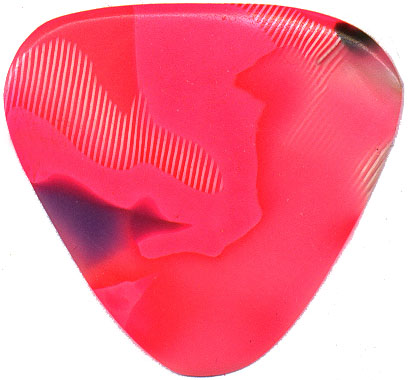
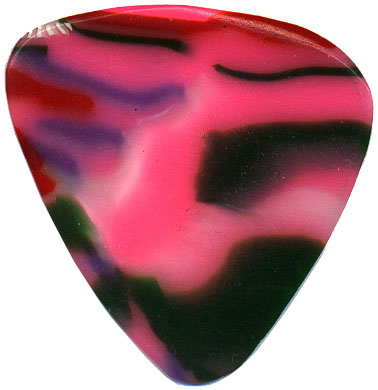
point is very important. (or, politely, confetti, mosaic, or multicolor). Years ago I was able to lay in some big sheets that are about .085" thick (something like heavy or maybe a little thicker) that make great guitar picks for me.
This one is right out of my pocket, much used and
much loved.
It's like The one below has three different shaped points, each yielding a slightly different tone.
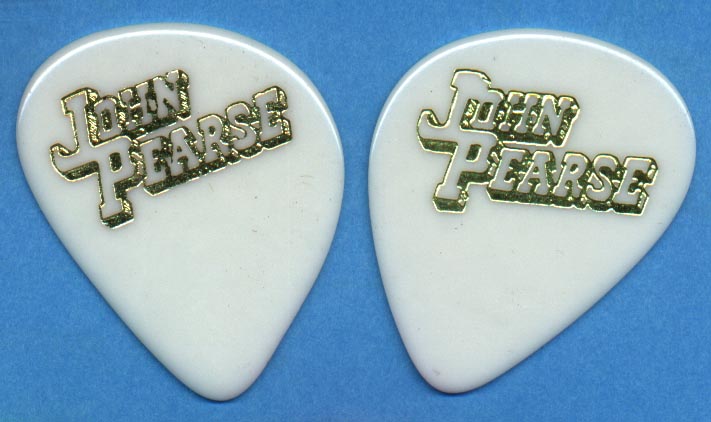
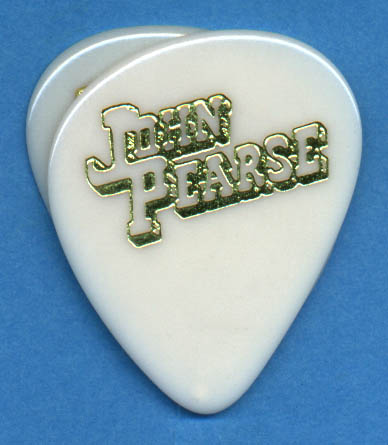
John Pearse revived two old D'Andrea designs, the #351 and 352, in a single pick.
But if you blend the two, you get a large version of
D'Andrea
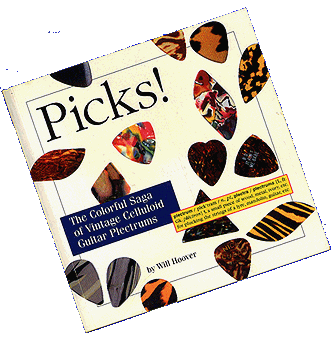
#348 above. If you like picks, you need to find yourself a copy of this wonderful book:
Will Hoover understands picks, and this book is a terrific resource. Keep your eyes open for a copy of this "must-have," it is published by Miller-Freeman, who also publish Guitar Player Magazine. If you can't find it at your local bookstore, get in touch, I have a few extra copies.
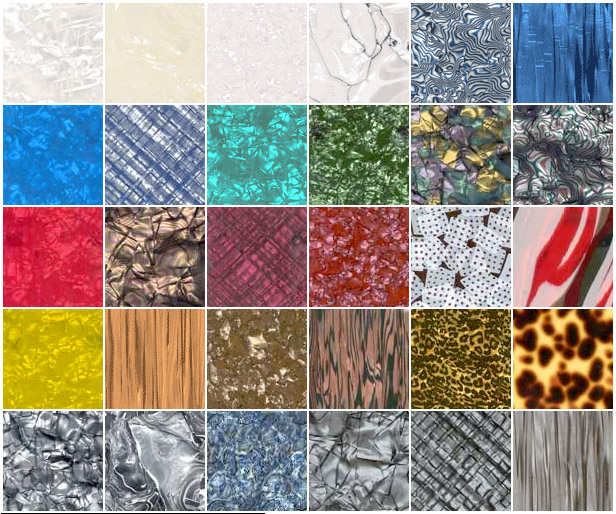
I have a page on clownbarf, but it's not for the faint of heart. Click here at your own risk. And to go to a page about thickness, dressing edges, shaping points, click here. Where can you get plastic sheet for making picks? The easy-to-find celluloid is pickguard material which could once be gotten through many sources has beome harder to find. Axiom, Inc. still carries great celluloid. Thanks to post 9/11 Federal "hazardous materials" regulations, celluloid has become expensive because of a $tout "per shipment" hazmat fee, such that vendors like Stewart-MacDonald no longer carry celluloid anything. Nice thick stuff usually comes in tortoise and ivoroid, and of course in black and white. Some places that cater to the do-it-yrself electric guitar crowd sell other types of pickguard plastic such as pearloid. And it's always worth haunting eBay for things. 
More about making picks, about
thickness, dressing
edges, shaping points, click here. This page © 2001- 2016 Paul Hostetter. All rights reserved. |